Key Theorists

The dialogical and collaborative landscapes of contemporary therapy have been profoundly shaped by a small group of visionary thinkers. Tom Andersen, Harlene Anderson, and Michael White each brought distinctive methodologies and sensibilities that continue to inform training programs and practice communities linked to the Brief Therapy Network.

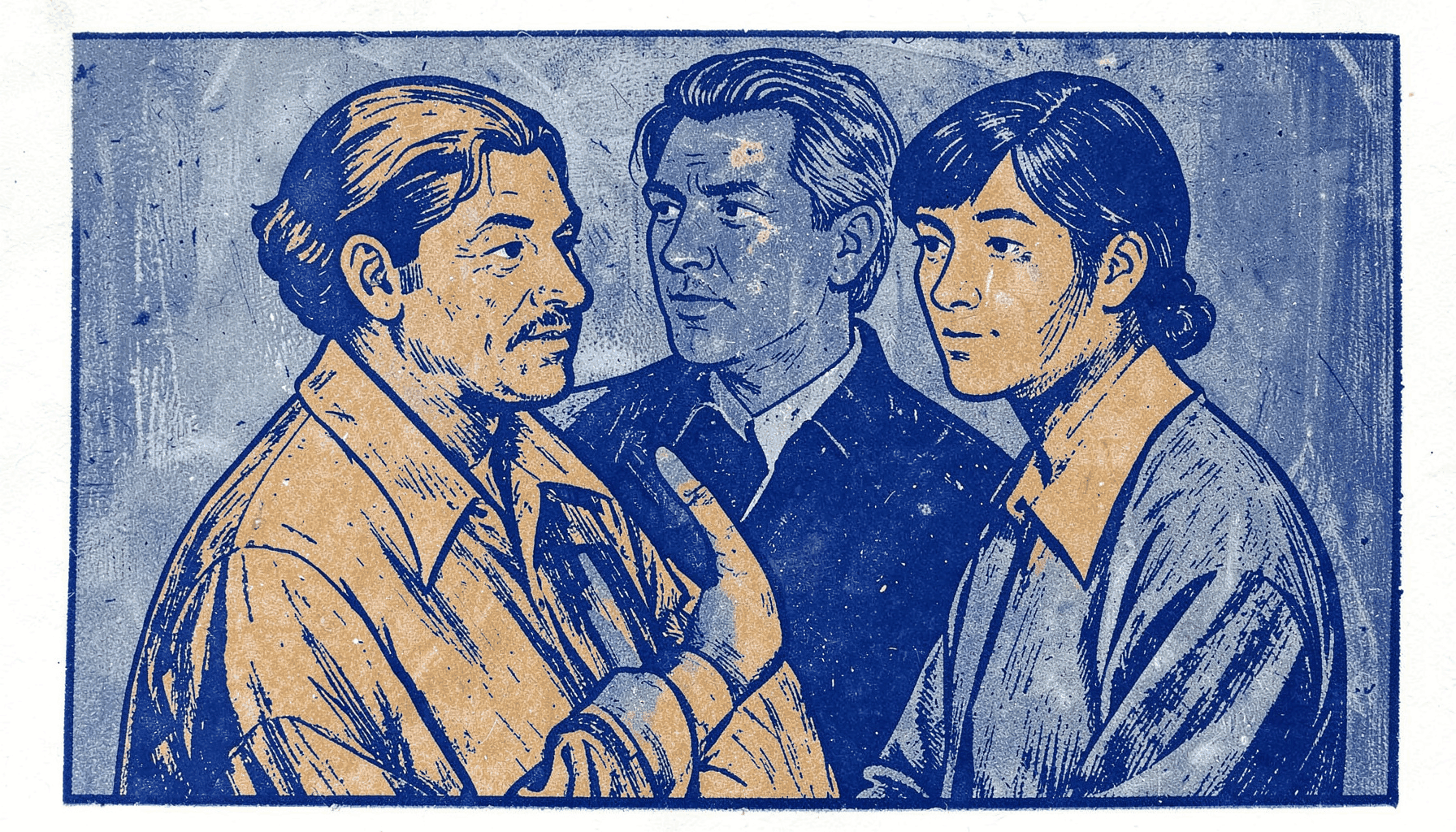
A linocut relief print in muted slate blue and warm ochre tones, depicting three overlapping abstract figures in quiet conversation, with textured hand-carved lines suggesting reflective dialogue and shared presence.

The theorists profiled below represent a convergence of ideas around collaborative, non-pathologizing approaches to therapeutic conversation. Their work underpins the network's commitment to practice-based evidence and roundtable dialogue among practitioners worldwide.
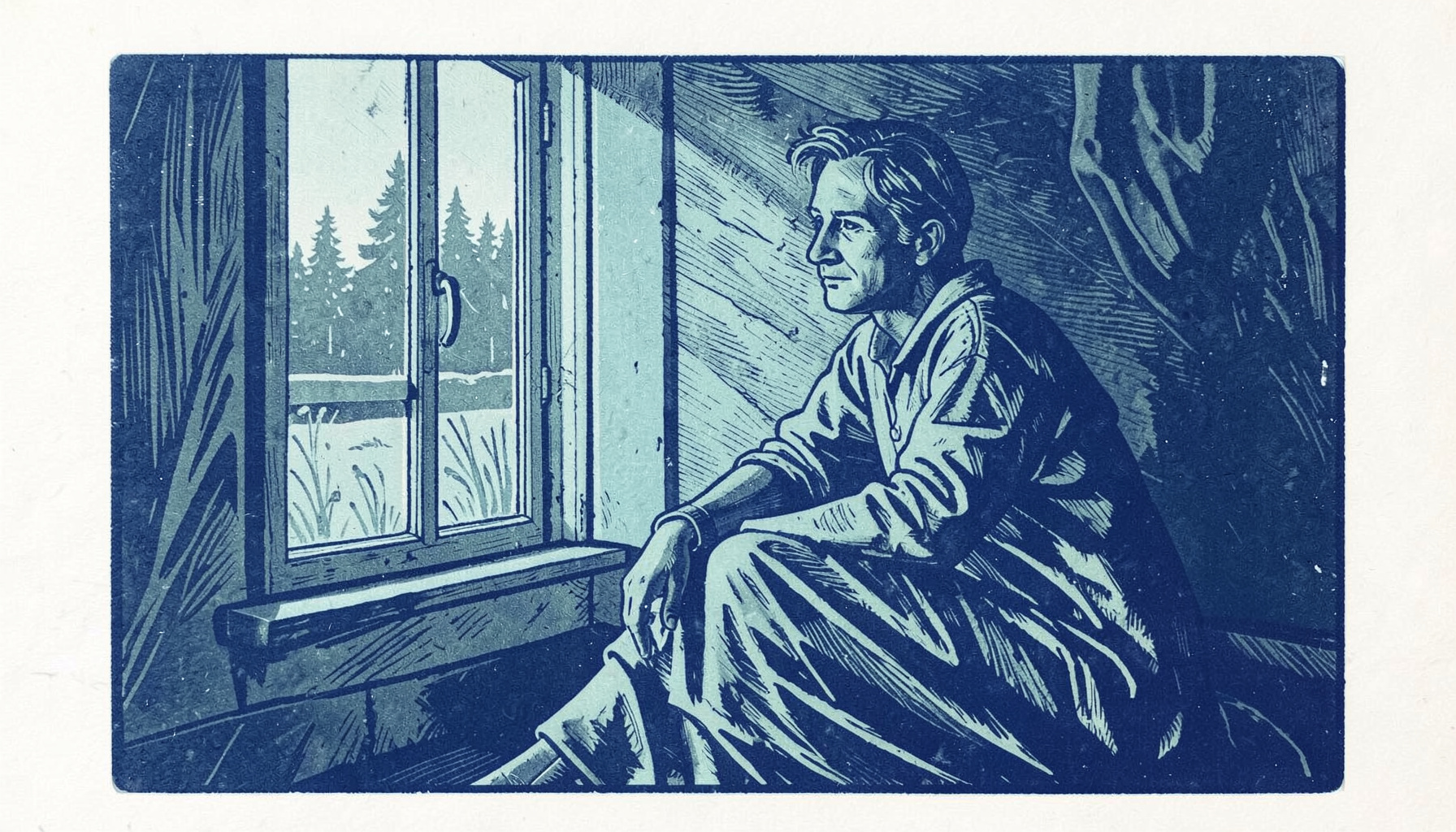
A linocut print in cool grey and soft teal, showing a contemplative figure seated beside a window, with Nordic-inspired carved textures and gentle light falling across the scene.

Tom Andersen

Tom Andersen (1936–2007) was a Norwegian psychiatrist and professor whose work on reflecting teams transformed therapeutic practice. He introduced the idea that clients and families could observe the therapeutic team's reflections, opening space for multiple perspectives and collaborative meaning-making. His gentle, dialogical stance remains a cornerstone of narrative-informed practice.

A linocut relief print in warm amber and dusty rose, depicting an open book and a hand resting beside it, with carved flowing lines evoking conversation and shared inquiry.

Harlene Anderson

Harlene Anderson, Ph.D., is a leading voice in collaborative therapy and co-founder of the Houston Galveston Institute. Her approach emphasizes the therapist's philosophical stance of "not-knowing," mutual inquiry, and genuine dialogue. Anderson's writing and teaching have influenced generations of practitioners seeking to de-center expertise and honor client knowledge.

A linocut print in deep indigo and warm cream, showing a tree with spreading roots and branches, its carved lines suggesting storytelling, lineage, and the branching paths of narrative.

Michael White

Michael White (1948–2008), based in Adelaide, Australia, co-developed Narrative Therapy alongside David Epston. His work introduced practices such as externalizing conversations, re-authoring, and the use of therapeutic documents. White's emphasis on separating problems from people and honoring local knowledge has had a lasting impact on the field.

These theorists' voices and methodologies are explored further in the network's publications, including the Journal of Systemic Therapies and the BNTN Newsmagazine. Their ideas also feature prominently in the network's mission and history.

The foundational voices of brief and narrative therapy emerged from a spirit of radical curiosity and relational humility. Tom Andersen's reflecting team approach transformed the therapeutic encounter into a transparent, collaborative dialogue where multiple perspectives could be heard without hierarchy. Harlene Anderson brought a postmodern sensibility to therapy, emphasizing conversational partnerships and the idea that meaning is co-constructed between therapist and client rather than discovered or diagnosed. Michael White, through his development of narrative therapy, invited people to separate from their problems by externalizing issues and re-authoring preferred storylines. Together, these thinkers challenged conventional notions of expertise, positioning the therapist as a curious collaborator rather than an authority figure.

The theoretical landscapes shaped by these innovators continue to evolve through contemporary practitioners who weave dialogical principles into diverse clinical settings. Narrative therapy's emphasis on deconstructing dominant cultural stories has proven especially resonant for those working with marginalized communities, where pathologizing labels often obscure lived experience. The collaborative approach invites therapists to remain genuinely uncertain, allowing clients to become the primary authors of their own change processes. Training programs and practice communities linked to the Brief Therapy Network carry forward this legacy, hosting roundtable conversations and publishing papers that explore how these ideas adapt across contexts. The network serves as a living archive where new generations of therapists encounter the wisdom of these theorists while contributing their own innovations.

What distinguishes these therapeutic traditions from more prescriptive models is their unwavering commitment to the relational and the particular. Rather than applying standardized techniques, practitioners are invited to develop a therapeutic sensibility grounded in respectful curiosity and genuine dialogue. The writings and transcripts left by Andersen, Anderson, and White offer glimpses into conversations where transformation emerges from careful listening and thoughtful questioning. Their work reminds us that therapy is not primarily about correcting deficits but about creating space for new possibilities to arise. The Brief Therapy Network continues this conversation, connecting professionals who share a common interest in collaborative, meaning-focused practice that honors the complexity of human lives without reducing them to diagnostic categories.