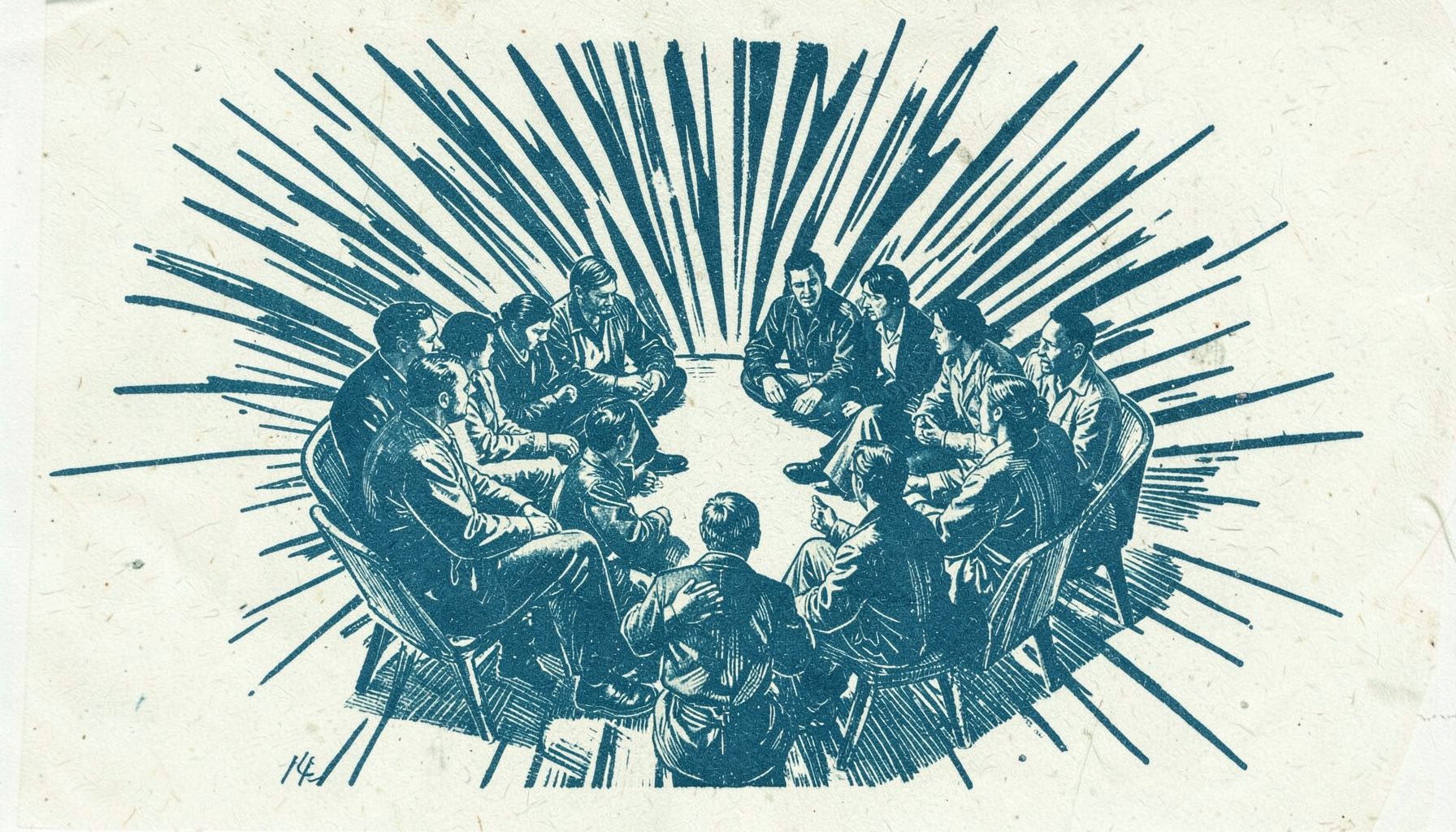
BNTN connects professionals through roundtable conversations — informal yet focused discussions where clinicians exchange ideas, pose questions, and refine their practice. These gatherings, along with annual conferences, create a collegial space for learning that crosses geographic and institutional boundaries.
The network has historically linked practitioners across Canada, the United States, and beyond, with events held in cities such as Toronto and Halifax. Training partnerships, including those with the Hincks-Dellcrest Institute, have extended the reach of brief and narrative therapy education.
The Brief Therapy Network is rooted in a tradition of therapeutic practice that values curiosity, collaboration, and the co-creation of meaning. Rather than positioning the therapist as an expert who diagnoses and corrects, brief and narrative approaches invite practitioners to adopt a posture of respectful inquiry. Clients are seen as the authorities on their own lives, bringing with them unique skills, values, and histories that can serve as resources for change. This relational stance opens space for new stories to emerge—stories that are not weighed down by pathology but oriented toward possibility. The network exists to sustain and deepen this way of working, offering a place where such ideas can be shared, questioned, and refined across contexts and continents.
Central to the network’s mission is the conviction that meaningful therapy does not require lengthy treatment or rigid protocols. Brief therapy, as practiced and discussed within this community, is not about rushing or cutting corners but about focusing on what matters most to the people seeking support. It is a disciplined and intentional practice, one that attends carefully to language, to the questions we ask, and to the relationships that make change possible. Narrative therapy adds to this a rich understanding of how identity is shaped by the stories we tell and the cultural contexts we inhabit. Together, these approaches form a practice-based evidence that honours complexity while remaining grounded in the real, lived experiences of clients and communities.
The network draws ongoing inspiration from the dialogical traditions shaped by figures such as Tom Andersen and Harlene Anderson, as well as the narrative innovations of Michael White. Their work opened new landscapes for therapeutic conversation—landscapes where reflecting teams, outsider witness practices, and collaborative inquiry became central rather than marginal. These contributions continue to evolve as new generations of practitioners adapt them in community mental health settings, training programmes, and private practice. The Brief Therapy Network serves as a meeting ground for these conversations, a place where transcripts, reflections, and innovations circulate freely. It is a living archive of ideas that remain responsive to the complexities of human life, never settling into dogma but always inviting further curiosity.